
Understanding Your Land’s Foundation
Before planting a single seed, understanding your land’s unique characteristics forms the foundation of agricultural success. A thorough land assessment reveals soil composition, drainage patterns, topography challenges, and nutrient deficiencies that directly impact crop performance.
Begin by conducting comprehensive soil testing across multiple zones of your property. Variations in pH levels, organic matter content, and nutrient availability can differ significantly even within the same field. Professional analysis identifies which amendments your soil requires and which crops will thrive in specific areas.
Evaluate drainage patterns during different seasons, particularly after heavy rainfall. Standing water indicates poor drainage that can suffocate root systems and create disease-prone environments. Topographical surveys help identify natural water flow and areas requiring intervention.
Document existing vegetation, including native grasses and invasive species. These plants serve as indicators of soil health and moisture conditions. Rocky terrain or subsurface obstacles may require specialized clearing before cultivation begins.
This assessment phase prevents costly mistakes and establishes a clear roadmap for the preparation steps that follow.
Creating Unobstructed Growing Space
Removing obstacles that interfere with cultivation creates the clean slate necessary for efficient farming operations. Strategic clearing eliminates competing vegetation, reduces pest habitats, and allows machinery to operate safely across your acreage.
Target trees, brush, stumps, and large rocks that obstruct planting patterns or irrigation systems. Selective clearing preserves beneficial windbreaks and shade structures while opening productive growing areas. In the Central Texas region, cedar and mesquite often dominate uncultivated land, depleting soil moisture and nutrients that crops require.
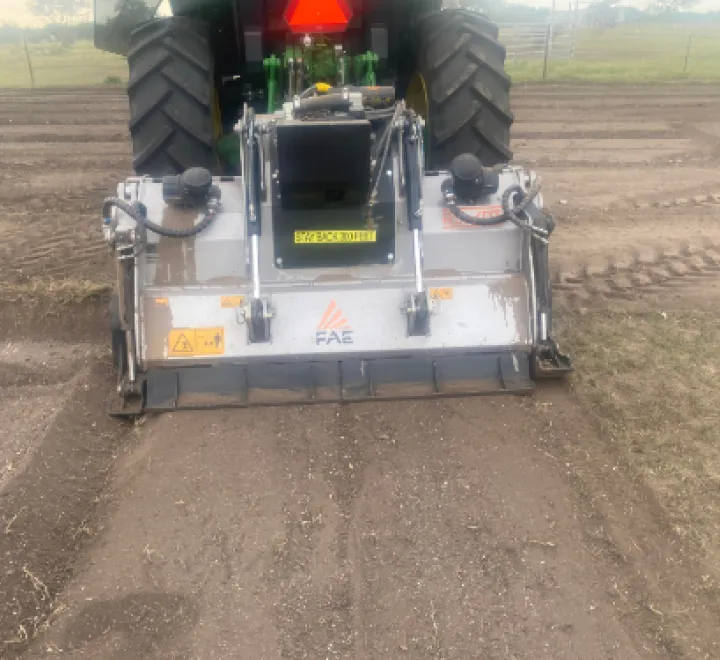
Professional clearing services utilize specialized equipment that minimizes soil disturbance while efficiently processing vegetation. Grinding stumps below the surface prevents regrowth and eliminates future obstacles to tillage equipment. Proper disposal or mulching of cleared material prevents fire hazards and can contribute organic matter back to the soil.
Consider the timing of clearing operations relative to your planting schedule. Allowing cleared land to settle for several weeks helps soil structure stabilize before cultivation begins. This waiting period also reveals any subsurface issues requiring attention.
Clear boundaries between fields facilitate crop rotation strategies and prevent cross-contamination between different plantings. Well-defined access routes improve harvest efficiency and reduce unnecessary soil compaction in growing areas.
Building Fertility from the Ground Up
Transforming average soil into a nutrient-rich growing medium dramatically increases crop productivity and resilience. Targeted amendments address deficiencies identified during your land assessment, creating optimal conditions for root development and nutrient uptake.
Incorporate organic matter such as compost, aged manure, or cover crop residue to improve soil structure and water retention. Organic amendments also feed beneficial microorganisms that break down nutrients into plant-available forms. Sandy soils benefit from increased organic content that enhances moisture retention, while heavy clay soils gain improved drainage and aeration.
Adjust pH levels based on your intended crops. Most vegetables and field crops prefer slightly acidic to neutral soil (pH 6.0 to 7.0), while certain crops like blueberries require more acidic conditions. Lime applications raise pH in acidic soils, while sulfur or organic amendments lower pH in alkaline conditions common throughout Texas.
Apply targeted fertilizers based on soil test recommendations rather than generic formulas. Nitrogen, phosphorus, and potassium requirements vary significantly by crop type and existing soil fertility. Micronutrients including zinc, iron, and manganese often require supplementation in limestone-based soils.
Time amendments properly to allow integration before planting. Fall applications give materials time to break down over winter, while spring amendments should occur several weeks before seeding. Deep tillage incorporates amendments throughout the root zone rather than concentrating them at the surface.
Controlling Water for Consistent Growth
Proper water management separates thriving crops from waterlogged failures. Installing effective drainage systems prevents root suffocation, reduces disease pressure, and extends the growing season by allowing earlier spring planting and better trafficability.
Surface drainage solutions include grading fields to promote water movement toward designated outlets. Even gentle slopes of one to two percent encourage water flow without causing erosion. Grass waterways or vegetated channels safely convey runoff from fields to natural drainage areas.
Subsurface tile drainage provides long-term solutions for fields with high water tables or poor internal drainage. Perforated pipes installed below the root zone collect excess water and channel it away from growing areas. While requiring initial investment, tile systems dramatically improve yields in problematic fields and quickly pay for themselves.
French drains and catch basins address localized wet spots that remain saturated long after surrounding areas dry. These targeted interventions prevent small problem areas from limiting entire field productivity. Strategic placement protects low-lying areas prone to water accumulation during Texas thunderstorms that can drop several inches of rain in short periods.
Maintain existing drainage infrastructure by clearing sediment from channels and ensuring outlets remain open. Vegetation growing in drainage ways should be managed to prevent flow restrictions without eliminating the stabilizing effect of grass roots. Regular inspection after heavy rainfall identifies areas requiring adjustment before crop damage occurs.
Delivering Water with Purpose
Delivering the right amount of water at the right time maximizes both crop production and resource efficiency. Modern irrigation strategies balance plant needs with water conservation, reducing costs while supporting vigorous growth throughout the season.
Select irrigation methods appropriate to your crops, field layout, and water source. Drip irrigation delivers water directly to root zones with minimal waste, ideal for row crops and high-value vegetables. Sprinkler systems cover larger areas and work well for pastures and field crops. Center pivot systems efficiently irrigate large circular fields common in commercial operations.
Schedule irrigation based on actual crop needs rather than calendar dates. Soil moisture sensors provide real-time data about water availability in the root zone, preventing both under-watering stress and over-watering that leaches nutrients. Evapotranspiration calculations account for crop type, growth stage, and weather conditions to determine precise water requirements.
Design systems for uniform coverage across the entire field. Variations in water application create corresponding variations in growth and yield. Pressure regulators and properly spaced emitters or sprinkler heads ensure consistency. System capacity must meet peak demand periods without stressing the water source.
Consider water quality when planning irrigation infrastructure. Hard water common in limestone regions may require filtration to prevent emitter clogging in drip systems. Periodic water testing identifies minerals or contaminants that could affect crop health or soil chemistry over time.
Rock Busters, LLC provides the land preparation services that create ideal conditions for irrigation system installation. Our professional clearing and grading work establishes the level fields and proper drainage that allow irrigation systems to function efficiently, helping farmers throughout the region optimize water delivery for maximum returns.