Road and Pad Preparation in Canyon Lake, TX
Rocky terrain across Canyon Lake and the surrounding Texas Hill Country presents unique challenges for property development and infrastructure projects. Road and pad prep services address these obstacles by crushing and milling existing rock onsite, eliminating the need for costly excavation and hauling. This crush-in-place approach transforms rugged land into stable, compacted surfaces suitable for driveways, building pads, and ranch roads. The process repurposes native limestone and caliche, creating durable base material that performs exceptionally well in Central Texas soil conditions. During the summer months, when ground hardness peaks and dust control becomes critical, proper road and pad prep ensures surfaces remain stable and functional.
Transform Rocky Terrain Into Durable Surfaces With Precision Milling and Onsite Rock Processing
Our specialized equipment processes up to three acres per hour, delivering efficient site preparation without compromising quality. Road and pad prep work includes precision grading, rock pulverizing, and base compaction tailored to your project specifications. Whether you are preparing a homesite, improving ranch access routes, or creating equestrian facilities, onsite rock milling provides a cost-effective foundation solution. The reclaimed material integrates seamlessly with existing terrain, promoting better drainage and reducing erosion common in sloped Hill Country properties. Road and pad prep services in Canyon Lake combine advanced machinery with local expertise to turn challenging sites into construction-ready ground.
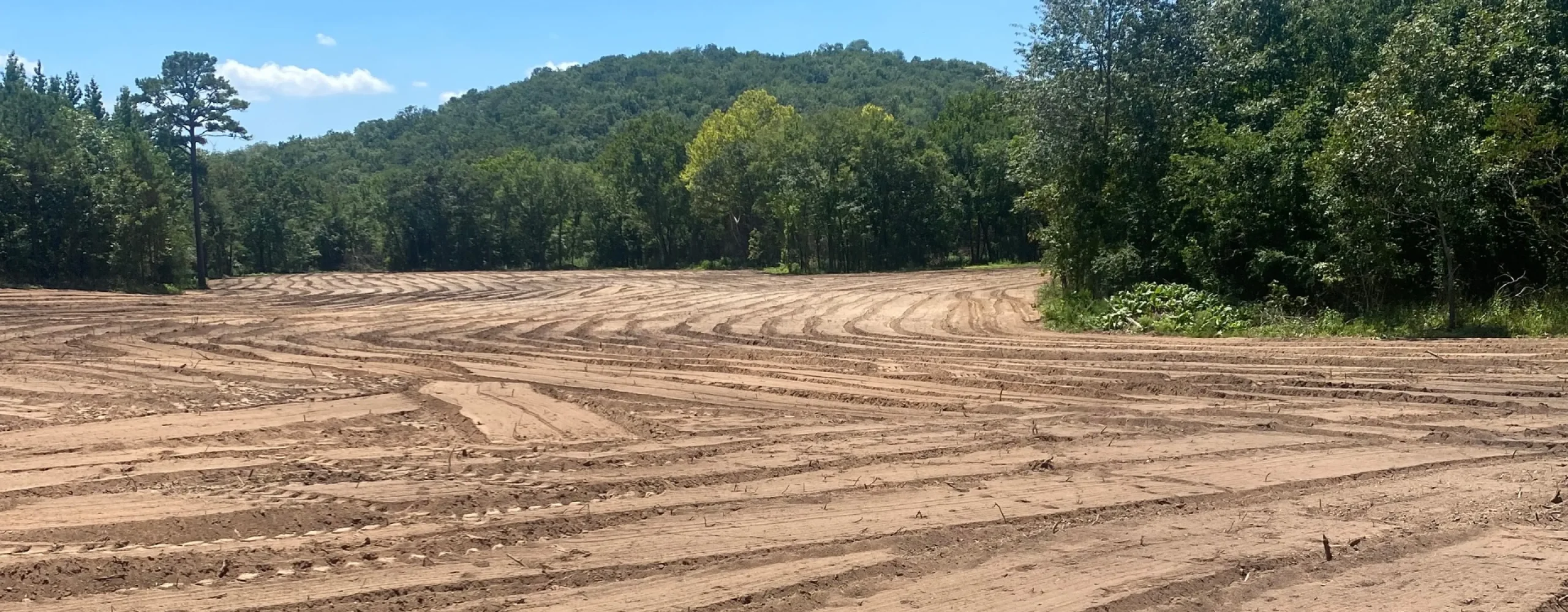
Build Stable Road and Pad Foundations in Canyon Lake, TX
Rocky terrain and unstable ground create costly delays when developing property or improving access routes. Without proper foundation work, roads crack, pads settle unevenly, and construction equipment struggles to operate safely. Canyon Lake’s limestone deposits and caliche layers demand specialized processing to achieve the stability your project requires. Traditional excavation and hauling methods inflate budgets while leaving you dependent on imported fill material that may not match local soil conditions.
Delays compound when unsuitable ground forces rework or when seasonal rains expose drainage problems in hastily prepared sites. Unstable foundations lead to structural issues, repeated maintenance costs, and frustration that could have been avoided with the right approach from the start. Our onsite rock milling services pulverize existing material into compacted base layers, processing up to three acres per hour to keep your project on schedule. The crush-in-place method transforms rugged terrain into construction-ready surfaces using the rock already present, eliminating hauling expenses and creating durable foundations engineered for Central Texas conditions. Properly prepared road and pad foundations provide the stability needed for long-term success, whether you are building residential homesites, ranch infrastructure, or equestrian facilities.
How Site Prep Prepares Your Property for Development
Successful construction begins with properly prepared ground. Site preparation in Canyon Lake, TX, involves breaking down existing limestone and caliche deposits through precision milling, creating a stable foundation for driveways, building pads, and access routes. Our onsite rock processing equipment pulverizes large boulders and uneven terrain directly at your location, transforming raw land into compacted, construction-ready surfaces. This crush-in-place method eliminates excavation costs while producing high-quality base material from the rocks already present on your property.
The Central Texas Hill Country experiences significant temperature swings and seasonal rainfall that affect soil stability and drainage patterns. Proper site prep accounts for these environmental factors by creating graded surfaces that channel water away from structures and prevent erosion along slopes. Our equipment processes up to three acres per hour, allowing efficient completion of large-scale projects without extended timelines. The milled rock material compacts tightly, forming a durable layer that resists shifting and settling common in unprepared soil.
Ranch owners preparing new building sites or improving existing access roads benefit from onsite milling that preserves the natural landscape while enhancing functionality. The pulverized rock integrates with native soil conditions, maintaining permeability for groundwater while providing the firmness needed for vehicle traffic and construction equipment. During dry summer months, milled surfaces resist dust generation better than loose caliche, improving air quality and visibility around active work areas.
Whether you are developing a residential homesite, expanding agricultural operations, or creating equestrian facilities, professional site prep establishes the foundation for long-term success. Our approach combines advanced machinery with knowledge of local terrain characteristics, delivering results that perform reliably through Texas weather extremes. Properly prepared ground reduces future maintenance requirements and ensures your investment remains stable for decades. Site preparation services in Canyon Lake focus on efficiency, durability, and cost-effectiveness, turning challenging rocky terrain into valuable usable space.
Frequently Asked Questions
-
Processing time varies significantly based on rock density and terrain conditions. For heavy-duty applications requiring deep grinding of harder rock formations, our equipment processes approximately 0.125 acres per hour, which equates to roughly 8 hours per acre of active milling time. A 5-acre building pad under these demanding conditions would require approximately 40 hours of equipment operation for the primary grinding and milling phase. Additional grading and final compaction stages add supplementary time to the overall project timeline. Most projects of this scope complete within several days to a week, depending on site accessibility and weather conditions. Scheduling may experience adjustments during rainy periods when equipment mobility becomes restricted.
-
The process starts with assessing existing rock formations and determining the desired road profile. Our specialized milling equipment pulverizes limestone and caliche deposits directly onsite, breaking down large boulders into uniform base material. The pulverized rock is then graded to establish proper drainage slopes and compacted to create a stable driving surface. We adjust the depth of processing based on intended traffic loads, whether the route will serve light ranch vehicles or heavy equipment. The finished surface integrates naturally with surrounding terrain while providing durability that handles Central Texas weather patterns and prevents erosion along slopes.
-
Onsite milling typically costs significantly less than excavation and imported material because you eliminate hauling fees, disposal costs, and purchased fill. Traditional methods require removing existing rock, paying tipping fees at disposal sites, then purchasing and transporting base material back to your property. With crush-in-place processing, the rock already on your land becomes your base material, cutting out multiple expense layers. Exact pricing depends on acreage, rock density, and access conditions, but many property owners see savings of 30 to 50 percent compared to conventional excavation approaches. The processed native material also performs better long-term because it matches local soil characteristics and drainage patterns.
-
Yes, utility locations must be marked before any ground processing starts. Contact your local utility notification service to have underground lines flagged, including water, electric, gas, and telecommunications. While our equipment focuses on rock processing rather than deep excavation, knowing utility positions prevents accidental damage and keeps your project on schedule. Vegetation clearing depends on project scope. Heavy brush and large trees along the work path should be removed beforehand, though our equipment can handle smaller vegetation during the milling process. Discuss specific site conditions during the estimate phase so we can provide clear guidance on what preparation your property requires before equipment arrives.
-
Light rainfall after compaction actually helps the milled rock settle and bind together, improving surface stability. However, heavy rain during active processing can create muddy conditions that prevent proper compaction and make equipment operation difficult. We monitor weather forecasts closely and schedule work during dry periods whenever possible. If unexpected storms arrive mid-project, we pause operations until ground conditions allow effective milling and compaction. The pulverized limestone and caliche drain reasonably well compared to clay soils, so most sites recover quickly after rain events. For projects with tight deadlines, we discuss contingency scheduling during planning to account for typical Hill Country weather patterns and seasonal rainfall variations.